LASIK eye surgery is a type of laser vision correction that reshapes the cornea — the clear front surface of the eye — so light focuses correctly on the retina. The procedure is designed for common refractive errors such as nearsightedness, farsightedness, and astigmatism, and is typically performed as an outpatient procedure after a detailed consultation.
What the Acronym Means
LASIK stands for "laser-assisted in situ keratomileusis." The name sounds technical, but each part describes something simple: a laser is used ("laser-assisted"), the reshaping happens within the cornea itself ("in situ"), and the cornea's shape is adjusted ("keratomileusis," a term derived from Greek roots for cornea and carving). You do not need to remember the full expansion — nearly everyone in the field just says LASIK — but knowing what the letters stand for helps you understand that the procedure is fundamentally about using a laser to adjust the shape of the cornea.
The cornea is the transparent, dome-shaped front layer of the eye, and it plays a major role in focusing light. Along with the eye's internal lens, the cornea bends incoming light so that it lands precisely on the retina, the light-sensitive tissue at the back of the eye. When the cornea's shape or the eye's overall focusing power is slightly off, light does not land where it should, and vision becomes blurry at some distances. LASIK aims to correct that focusing error by reshaping the cornea.
The Core Concept: Reshaping the Cornea
The basic idea behind LASIK can be stated in one sentence: a laser removes microscopic amounts of corneal tissue to change the cornea's curvature, which changes how the eye focuses light. During the procedure, the surgeon creates a thin flap in the outer layers of the cornea, folds it back, and applies a precisely controlled laser to the exposed tissue beneath. The flap is then repositioned, where it settles back into place naturally.
This concept matters because it distinguishes LASIK from other approaches to vision correction. Glasses and contact lenses compensate for a focusing error by placing an external lens in front of the eye; they do not change the eye itself. LASIK, by contrast, changes the eye's own focusing structure. That is why it can reduce or eliminate the need for corrective lenses afterward — though it does not guarantee that outcome for everyone, and individual results depend on the specific eye, the degree of correction needed, and factors the surgeon evaluates during the consultation.
Our companion guide on how LASIK eye surgery works walks through the steps of the procedure in more detail if you want the full picture.
The Vision Problems LASIK Is Designed For
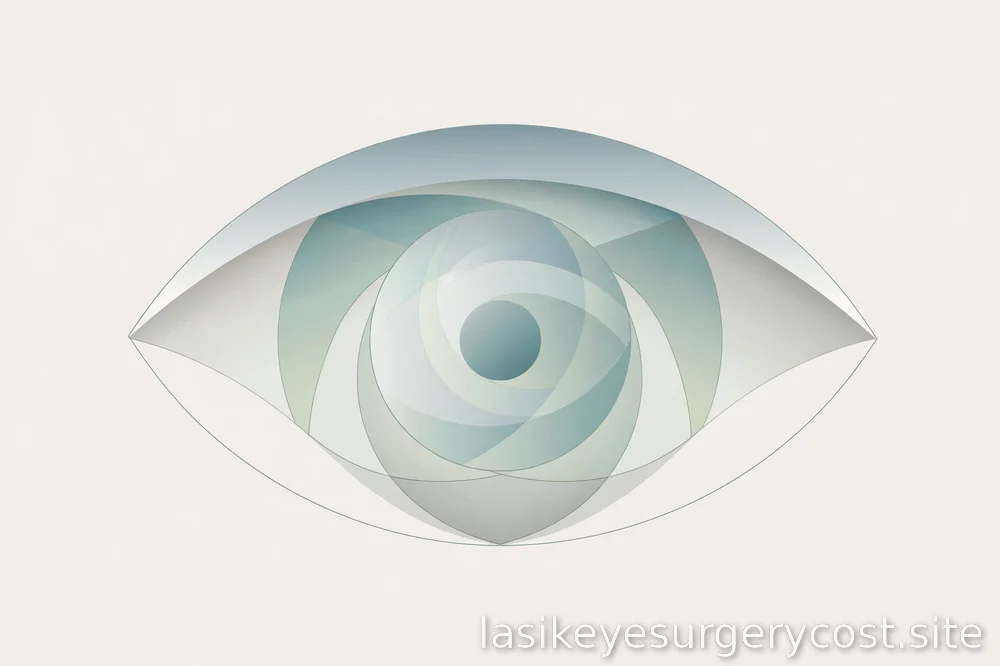
LASIK is generally discussed in connection with three common refractive errors. Nearsightedness (myopia) means distant objects look blurry while nearby objects look clear, and it happens when the eye focuses light in front of the retina. Farsightedness (hyperopia) generally means nearby objects look blurry, occurring when light focuses behind the retina. Astigmatism causes blurry or distorted vision at all distances because the cornea (or the lens) is shaped more like a football than a basketball, focusing light unevenly.
Many people have a combination of these conditions — for example, nearsightedness with some astigmatism. LASIK is described in educational materials as being able to address these common refractive errors, but suitability is individual. Not every prescription and not every eye is a match for the procedure, which is why the pre-operative evaluation is so central. Our guide on who is a good candidate for LASIK explains the general factors clinicians consider.
One condition LASIK does not address in the way people sometimes hope is presbyopia, the age-related loss of near focusing ability that typically appears around middle age. Some approaches are marketed as addressing presbyopia alongside other errors, but this is a nuance worth discussing directly with a qualified eye-care professional rather than assuming from general reading.
What LASIK Does Not Do
Clearing up misconceptions is as important as explaining the concept. LASIK does not replace the eye, does not insert anything permanent into the eye (unlike implant-based alternatives), and does not change the internal lens. It does not treat eye diseases such as cataracts, glaucoma, or macular degeneration — those are separate medical conditions managed with different approaches.
LASIK also does not freeze your vision in place forever. Eyes can change over time: prescriptions can shift, presbyopia arrives with age, and cataracts may eventually develop. A person who has LASIK may still need glasses later in life for reading or for other reasons. Thinking of LASIK as a one-time, permanent fix for all vision needs is a common oversimplification; the more accurate view is that it is a procedure aimed at correcting current refractive error, with long-term outcomes that vary from person to person.
It is also worth noting that LASIK is an elective procedure for most people. It is not medically necessary in the way cataract surgery is. That elective character shapes everything around it — how it is priced, how insurance treats it, and why consultations emphasize informed, unhurried decision-making.
How LASIK Fits Among Laser Vision Correction Options

LASIK is the best-known procedure in a family of laser vision correction techniques, but it is not the only one. PRK (photorefractive keratectomy) is an earlier laser procedure that reshapes the corneal surface without creating a flap; it is sometimes discussed for people whose corneas are thinner or who are not suited to the flap-based approach. SMILE (small incision lenticule extraction) is a newer flap-free technique available in some settings. Our overview of the types of laser vision correction compares these options side by side.
Beyond lasers entirely, there are alternatives such as implantable collamer lenses (ICL) and continued use of glasses or contact lenses. Each option has different trade-offs, different candidacy considerations, and typically different costs. LASIK tends to get the most attention because it is widely offered and well established, but "most discussed" is not the same as "right for you." The consultation exists precisely to sort that out for your eyes.
The Procedure in Brief
In broad terms, LASIK is performed as an outpatient procedure, meaning patients go home the same day. The eye is numbed with anesthetic drops, a device holds the eyelids open, and the surgeon creates the corneal flap and applies the laser. The laser portion itself is typically described as brief — measured in seconds to about a minute of laser time per eye — though the full appointment takes longer because of preparation, measurements, and post-procedure checks.
What happens before the laser fires is arguably more important than the laser step itself: detailed measurements of the eye, mapping of the cornea's shape, and confirmation that the eye is healthy and stable. What happens after — protective measures, eye drops, and follow-up visits — is covered in our guides to recovery and aftercare. The procedure day itself is only one part of a longer process.
The Consultation Comes First
No reputable setting offers LASIK as a walk-in, same-day decision. Before any procedure is scheduled, the clinic performs a comprehensive evaluation: measuring the prescription, mapping corneal shape and thickness, checking pupil size, assessing tear production, examining the retina, and confirming that the prescription has been stable. This evaluation determines whether LASIK is appropriate, and it is also where the surgeon explains risks, benefits, and alternatives.
Our guide to the LASIK consultation describes what that appointment typically includes and what questions are worth asking. A consultation that feels rushed, or one that skips detailed measurements, is a signal to pause rather than proceed — the thoroughness of the evaluation is part of what you are paying for, and it protects you.
Cost in Context
Because this site focuses on costs, it is worth framing the financial picture early. LASIK is almost always priced per eye, and total cost varies widely depending on the technology used, the surgeon's experience, the region, and what the quoted price includes (consultation, follow-up visits, enhancement policies). Prices that look unusually low sometimes exclude elements that other quotes include, so comparison requires looking at the full package.
Our guide on what affects the cost of LASIK breaks down the factors in detail, and LASIK pricing models explained shows how quotes are typically structured. The key early insight: ask for an itemized, all-in quote in writing before comparing providers, and treat any number you see online as a rough reference, not a promise.
Frequently Asked Questions
Is LASIK the same as laser eye surgery?
LASIK is one type of laser eye surgery, not a synonym for all of them. "Laser eye surgery" is a broad category that includes LASIK, PRK, SMILE, and other procedures that use lasers to correct vision. LASIK is the most widely known and most commonly performed of these, which is why the terms get mixed up in everyday conversation. When a clinic or article says "laser vision correction," it may be referring to any of these procedures. Our comparison of the types of laser vision correction explains how they differ.
Does LASIK hurt?
LASIK is typically performed with numbing eye drops, so the procedure itself is generally described as painless, though patients commonly report feeling pressure or mild discomfort during parts of it. After the numbing wears off, many people describe sensations such as grittiness, dryness, or a feeling that something is in the eye for a period afterward. Individual experiences vary, and clinics provide guidance on managing post-procedure comfort. Any pain-related concerns, including how pain is managed during and after the procedure, are worth raising directly at your consultation.
How long do LASIK results last?
LASIK reshapes the cornea, and that reshaping is generally considered lasting — but the eye itself continues to change over time. Prescriptions can shift, presbyopia (age-related near-vision difficulty) typically arrives in middle age, and conditions like cataracts can develop later in life. Some people need an enhancement procedure years later, while others find their results stable for a long time. No one can guarantee a permanent result for a specific person, so treat any such promise with skepticism and discuss long-term expectations with a qualified eye-care professional.
Can both eyes be treated on the same day?
In many settings, yes — both eyes are commonly treated during the same appointment, and this is often presented as the standard approach. However, practices and patient circumstances differ, and some clinics or surgeons prefer treating one eye at a time in certain situations. This is a procedural detail to confirm with the clinic you are considering, since it affects scheduling, recovery planning, and sometimes pricing. If a provider's standard approach surprises you, asking them to explain their reasoning is always reasonable.
Is LASIK covered by insurance?
In most cases, no — vision and health insurance plans typically classify LASIK as an elective procedure and exclude it from coverage, though exceptions and partial benefits exist. Some vision plans offer member discounts at participating providers, and tax-advantaged accounts like FSAs or HSAs are sometimes used to pay for it. Our detailed guide on insurance and LASIK explains the common scenarios and what to verify with your own plan before assuming anything.
This site is educational information only — not medical advice. Consult a qualified eye-care professional about your own situation.